
Enviroharvest: All About Environment-Friendly Energy Usage
This site will tell you everything you need to know about energy: its sources, resources, how to conserve and harness it, and much more. In addition, we will share our experience and information about how humanity can save such a vital and scarce resource that we need so much. Conserving energy and caring for the environment are very important.
But unfortunately, not everyone thinks about it, trying to pursue their own goals. Online Bitcoin casinos are one of such examples. After all, it is no secret that the process of mining bitcoins pollutes the environment very much. Therefore, by accepting bitcoins from their customers, these online casinos harm the environment.
Many global companies, such as Tesla, have noticed this harm and refused to accept bitcoins for payment as well as some online casinos that followed their example, which we can’t but welcome.
In line with these changes, the online gambling industry is also exploring broader eco-friendly innovations that go beyond just payment methods. Advanced server technology now focuses on energy efficiency, significantly reducing the power demands traditionally associated with online gaming operations.
All resources are equally important, but while some can be replenished, a shortage of others will lead to a disaster. For example, crude oil. Read What Would Happen If the World Ran Out of Crude Oil to find out what the future might hold for us without it.
Why Is it Necessary to Save Energy?
The use of electrical energy is an integral part of our day-to-day activities. Therefore, it is unfathomable to live in an industrialized and digitalized society like the one in which we do not have access to electricity since we rely on it to carry out a significant portion of our daily activities and improve the overall quality of our lives.
The idea of saving energy is brought up to different levels of society. Children from school are taught general energy-saving rules. Governments of the whole world launch legal acts aiming at energy saving. AS well, enterprises and companies of various production sectors support the idea of efficient use of energy resources.
We can receive sights, noises, illumination, heat, or cold at the touch of a button in today’s world. Still, we barely ever pause to consider where this information originates, let alone the advantages of employing it.
Power plants are the facilities responsible for generating electricity, and they get their energy requirements from primary sources.
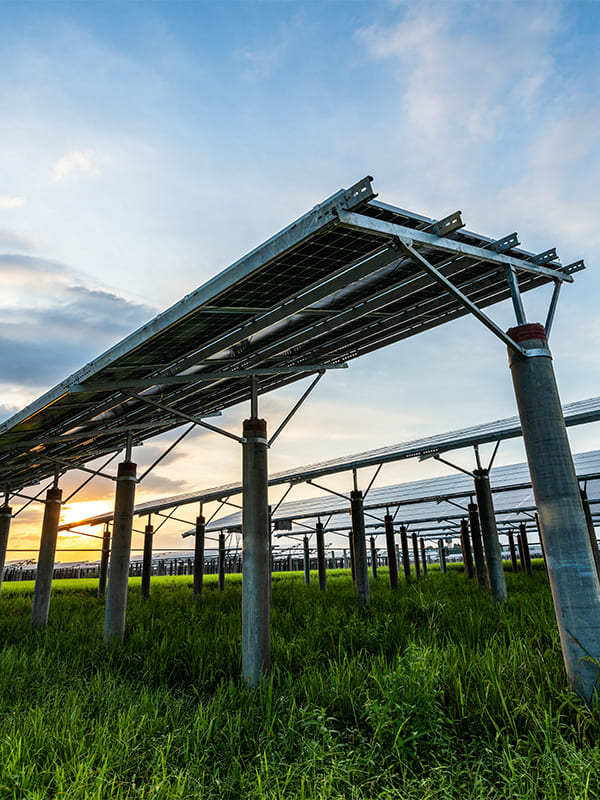
Wind, solar radiation, and water are examples of primary energy that can be replenished, while coal, natural gas, and oil are examples of elemental powers that cannot be refilled.
First, it results in the overexploitation of resources, which raises the possibility that those resources may one day be depleted. Second, it causes a significant amount of greenhouse gases to be released into the atmosphere, which makes the temperature of our planet rise.
Because of this, reduction of the energy use is an essential part of making use of available energy resources.
Saving energy improves the local economy and the national economy, which is especially important for nations that are strongly reliant on oil imported from other countries.
As a result, cutting back on consumption is one of the best ways to lessen our reliance on energy as well as polluting the environment.
On enviroharvest.ca other pages, we will address no less critical issues related to the optimal use of energy resources and environmental protection.